Move Out Before Eviction - Episode 4 - Bartomeo Property Management
https://youtu.be/gkDWmFzHTRo
You’ll find our blog to be a wealth of information, covering everything from local market statistics and home values to community happenings. That’s because we care about the community and want to help you find your place in it. Please reach out if you have any questions at all. We’d love to talk with you!
Move Out Before Eviction - Episode 4 - Bartomeo Property Management
https://youtu.be/gkDWmFzHTRo
Possible Squatters - A Day In The Life Of A Property Manager! Episode 2 Bartomeo Property Management
https://youtu.be/CDUSUu7HZVo
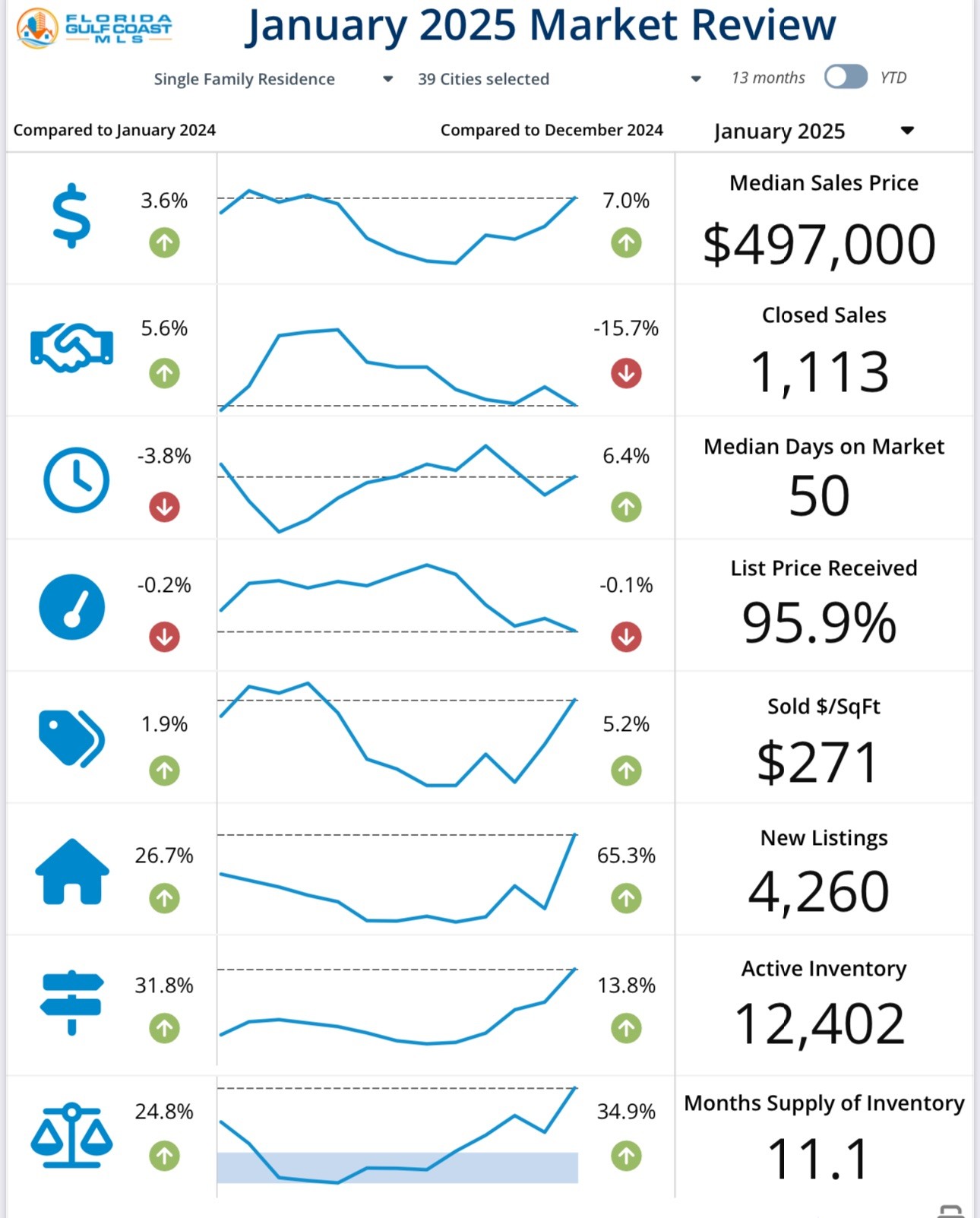 but we already see the effects in the month of Feb.
What property managers should do when there is a report of possible homeless.
https://youtu.be/wEtkojZtek8?si=-qDpUexarO08vr8c
In a heartwarming turn of events, a young couple from Lehigh Acres, Florida, recently experienced the compassion and integrity of Bartomeo Property Management after falling victim to a rental scam. Angira Lopez and her boyfriend, Joshua, had unknowingly moved into a home fraudulently rented to them by a scammer, costing them $2,650. Their distress was met with empathy and swift action from Bartomeo Property Management, who not only waived their first month's rent but also arranged flexible payment plans for future payments, allowing the couple to remain in their new home.
This incident underscores the importance of working with reputable property management companies. Bartomeo Property Management has since implemented additional safeguards to prevent such scams, including conducting in-person showings and verifying identities before granting property access. Their proactive measures and dedication to tenant well-being highlight their commitment to providing safe and secure housing experiences.
For those seeking rental properties, it's crucial to engage with established property management firms like Bartomeo Property Management to ensure legitimacy and support. Their response to this unfortunate situation not only provided immediate relief to the affected couple but also reinforced the value of integrity and tenant care in the rental industry.
See the full news story using the link below.
'Karma will always get you': Lehigh Acres couple fall victim to rental scam
he rental market in Southwest Florida (SWFL), encompassing cities like Cape Coral and Fort Myers, has experienced substantial growth in recent years, fueled by migration, post-pandemic relocations, and surging demand. However, as 2025 approaches, emerging trends suggest that rental prices in the region might begin to cool or even decrease. Here’s a closer look at the factors contributing to this potential decline and its implications for the region.
The pandemic-induced migration boom, where people flocked to SWFL for its warmer climate and remote work opportunities, has started to normalize. With fewer people relocating from urban centers, demand for rentals is expected to stabilize or decrease.
SWFL's construction industry has rebounded, with developers completing projects that were delayed during the pandemic. This influx of new rental units is set to increase the supply significantly in 2025.
High inflation and economic uncertainty are making it harder for many renters to keep up with increasing prices. This could force landlords to lower rents to avoid vacancies.
Policy changes aimed at increasing affordability could further impact the rental market:
The lingering effects of Hurricane Ian and heightened awareness of climate risks are influencing renters’ decisions:
While rental prices in SWFL are unlikely to drop dramatically, they are expected to stabilize or decrease modestly due to the combination of increased supply, normalizing demand, and economic pressures. For renters, this could mean more options and slightly better affordability. For landlords and investors, adjusting expectations and focusing on quality offerings may be crucial to staying competitive in a cooling market.
As SWFL continues to evolve, local governments, developers, and community leaders will play a key role in ensuring a balanced rental market that supports both growth and affordability.
Oil prices play a pivotal role in shaping the broader economy, influencing everything from transportation costs to consumer spending. In Southwest Florida (SWFL), a region known for its real estate market fueled by tourism, retirees, and a growing population, fluctuations in oil prices can create significant ripple effects. Here's a closer look at how lowering oil prices could impact real estate sales in SWFL.
Lower oil prices often translate to reduced costs for transportation and energy, putting more money in consumers' pockets. This increase in disposable income can make homeownership more attainable for many:
Tourism is a cornerstone of SWFL's economy, and lower oil prices can make the region more accessible to domestic travelers driving from other parts of Florida or neighboring states:
Oil prices directly affect the cost of materials and transportation in the construction industry. Lower oil prices can reduce costs for developers, potentially accelerating housing projects:
Falling oil prices can stimulate broader economic growth by reducing transportation and production costs across industries. This stability can positively affect real estate markets:
While lower oil prices can have many positive effects, there are potential downsides, particularly for regions dependent on oil production or related industries. While SWFL is not an oil-dependent economy, national instability in energy markets could create broader economic concerns, affecting consumer confidence.
Lower oil prices offer a generally positive outlook for the SWFL real estate market, encouraging growth in both demand and supply. By reducing costs for consumers and developers, these shifts can make the region even more attractive to buyers. However, maintaining economic stability will be crucial to fully realizing these benefits. As oil prices continue to fluctuate, SWFL’s real estate market will remain closely tied to broader economic trends.
Mass deportation policies, like those proposed during political debates, carry far-reaching economic consequences. Among the many industries affected, real estate could see significant shifts in both residential and commercial markets. Here's a closer look at how such policies might impact the housing sector.
A substantial portion of the undocumented immigrant population resides in rental properties. Mass deportation would likely lead to a surge in vacancies, particularly in areas with large immigrant communities. This reduction in demand could drive rental prices down, impacting landlords' profitability, especially in urban areas or regions with tight rental markets.
Many undocumented immigrants own homes, either directly or through family members. Deportation could result in a wave of distressed properties entering the market as these families are forced to abandon homes or sell under pressure.
The construction sector relies heavily on immigrant labor, documented and undocumented alike. A mass deportation policy could exacerbate existing labor shortages in this industry, driving up costs and delaying housing projects.
The commercial sector could also face challenges, particularly in industries heavily reliant on immigrant workers, such as agriculture, hospitality, and food services. A significant workforce reduction could lead to closures, reducing demand for commercial spaces.
Mass deportation could have a cascading effect on the broader economy, including a decline in GDP and consumer spending. As immigrants contribute substantially to local economies, their absence might slow economic growth, further affecting the real estate market.
While immigration policies are a complex and politically charged issue, their potential impact on the real estate market cannot be overlooked. Policymakers, investors, and community leaders should consider the economic and social ramifications of mass deportation and work toward solutions that balance enforcement with economic stability.
Proactive measures—such as supporting affected communities, addressing labor shortages, and stabilizing neighborhoods—could help mitigate these risks while fostering resilience in the real estate market.