Sept. 28, 2024
The role of a landlord has evolved significantly over the years, shaped by shifts in technology, changing tenant expectations, and economic factors. As we move further into the 21st century, the future of landlording promises even more transformation, driven by emerging trends and innovative solutions. From smart technology to new management practices, the landscape of property management is set to undergo a profound shift. Here’s a look at what the future holds for landlords and how they can adapt to stay ahead.
1. The Rise of Smart Technology
Smart Homes: The integration of smart technology in rental properties is becoming increasingly popular. From smart thermostats and lighting to advanced security systems, tenants are seeking homes that offer convenience and energy efficiency. Landlords who invest in these technologies can attract tech-savvy renters and provide added value.
Remote Management: Smart home devices also facilitate remote management, allowing landlords to monitor and control properties from afar. Features such as remote lock access, video doorbells, and real-time maintenance alerts enable landlords to manage their properties more efficiently and respond to issues promptly.
Data Analytics: The use of data analytics will play a crucial role in the future of landlording. By leveraging data collected from smart devices and tenant interactions, landlords can gain insights into property performance, tenant behavior, and maintenance needs, leading to more informed decision-making.
2. Enhanced Tenant Expectations
Personalized Experiences: Today’s tenants expect more than just a place to live—they seek personalized living experiences. From custom amenities to tailored communication, landlords will need to focus on creating a unique and engaging experience to meet these expectations.
Sustainability and Eco-Friendly Practices: Environmental consciousness is on the rise, and tenants are increasingly looking for eco-friendly living options. Landlords who incorporate green practices, such as energy-efficient appliances, sustainable materials, and waste reduction programs, will be better positioned to attract environmentally conscious renters.
Flexible Leasing Options: The traditional long-term lease model is being challenged by the growing demand for flexibility. Short-term leases, month-to-month arrangements, and furnished rentals are becoming more popular, and landlords who offer flexible leasing options can cater to a broader range of tenant needs.
3. The Impact of Automation
Property Management Software: Automation is streamlining property management tasks, from rent collection and maintenance requests to tenant screening and lease agreements. Advanced property management software can simplify these processes, reducing administrative burdens and improving efficiency.
AI and Chatbots: Artificial intelligence and chatbots are revolutionizing tenant communication. These technologies can handle inquiries, schedule viewings, and provide immediate support, enhancing the tenant experience and freeing up landlords’ time for more strategic activities.
Maintenance Automation: Predictive maintenance powered by AI can anticipate issues before they arise, allowing for proactive repairs and reducing the risk of costly emergencies. Automated maintenance scheduling and tracking ensure that properties are kept in top condition with minimal manual intervention.
4. Shifts in Rental Markets
Urban vs. Suburban Demand: The COVID-19 pandemic has accelerated shifts in rental preferences, with many tenants seeking larger spaces and more suburban or rural locations. Landlords will need to adapt to these changing demands by considering property investments in emerging rental markets.
Affordable Housing Solutions: As housing affordability becomes a growing concern, there will be increased pressure on landlords to offer affordable rental options. Creative solutions such as rent control, subsidized housing programs, and innovative financing models will be essential in addressing these challenges.
Co-Living and Shared Spaces: The rise of co-living arrangements and shared spaces reflects a shift towards communal living and cost-sharing. Landlords who explore these models can tap into new market segments and offer unique housing solutions that appeal to diverse tenant groups.
5. Legal and Regulatory Changes
Evolving Regulations: The regulatory landscape for landlords is continually evolving, with new laws and regulations impacting everything from tenant rights to fair housing practices. Staying informed about legal changes and ensuring compliance will be critical for landlords to avoid legal issues and maintain positive tenant relationships.
Data Privacy and Security: As technology becomes more integrated into property management, data privacy and security will be paramount. Landlords must implement robust measures to protect tenant data and ensure compliance with privacy regulations.
Rent Control and Housing Policies: Debates around rent control and housing affordability are likely to continue shaping the regulatory environment. Landlords should stay engaged with policy discussions and be prepared to adapt to potential changes in housing regulations.
6. The Role of Community and Connectivity
Building Communities: The future of landlording will increasingly focus on building vibrant and engaged communities. Landlords who foster a sense of community through events, social activities, and tenant engagement initiatives can create a more positive living environment and enhance tenant satisfaction.
Technology Integration: Connectivity and smart technology will play a crucial role in fostering community interactions. Online platforms and community apps can facilitate communication among tenants, share important information, and organize community-building activities.
Conclusion
The future of landlording is poised for significant transformation, driven by advancements in technology, changing tenant expectations, and evolving market dynamics. By embracing smart technology, adapting to new tenant needs, leveraging automation, and staying informed about regulatory changes, landlords can navigate these changes successfully and remain competitive in a rapidly evolving industry.
As the real estate landscape continues to shift, proactive and forward-thinking landlords will be best positioned to thrive and offer exceptional living experiences in the modern rental market. Embracing innovation and adaptability will be key to shaping a successful future in landlording.
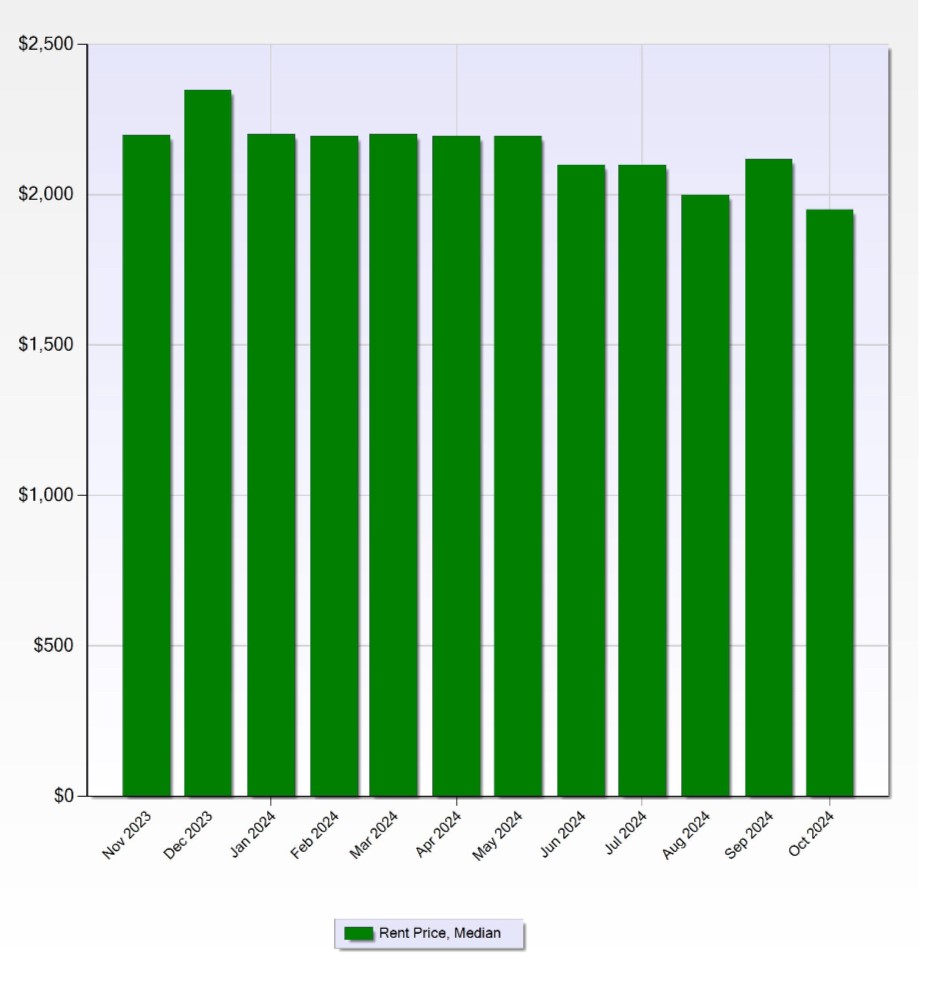

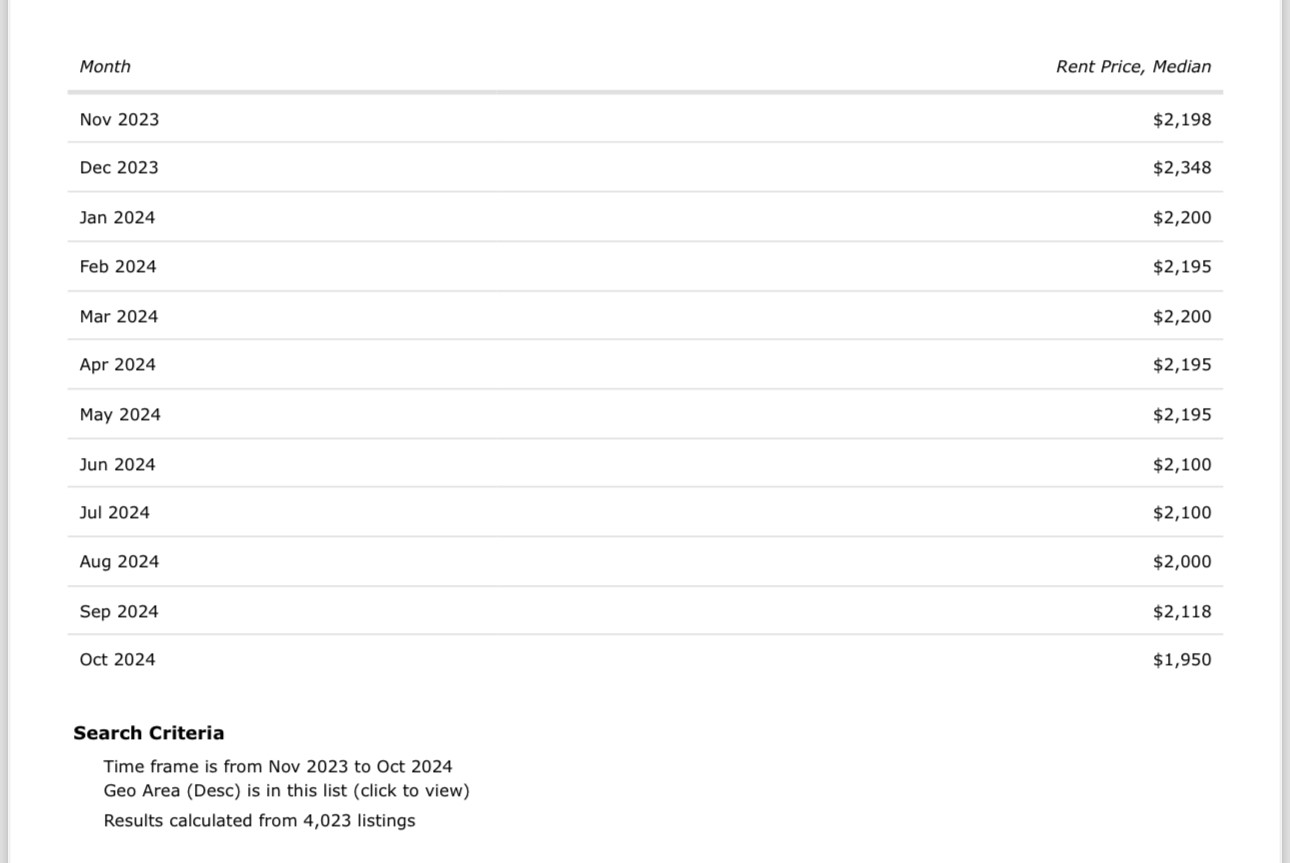
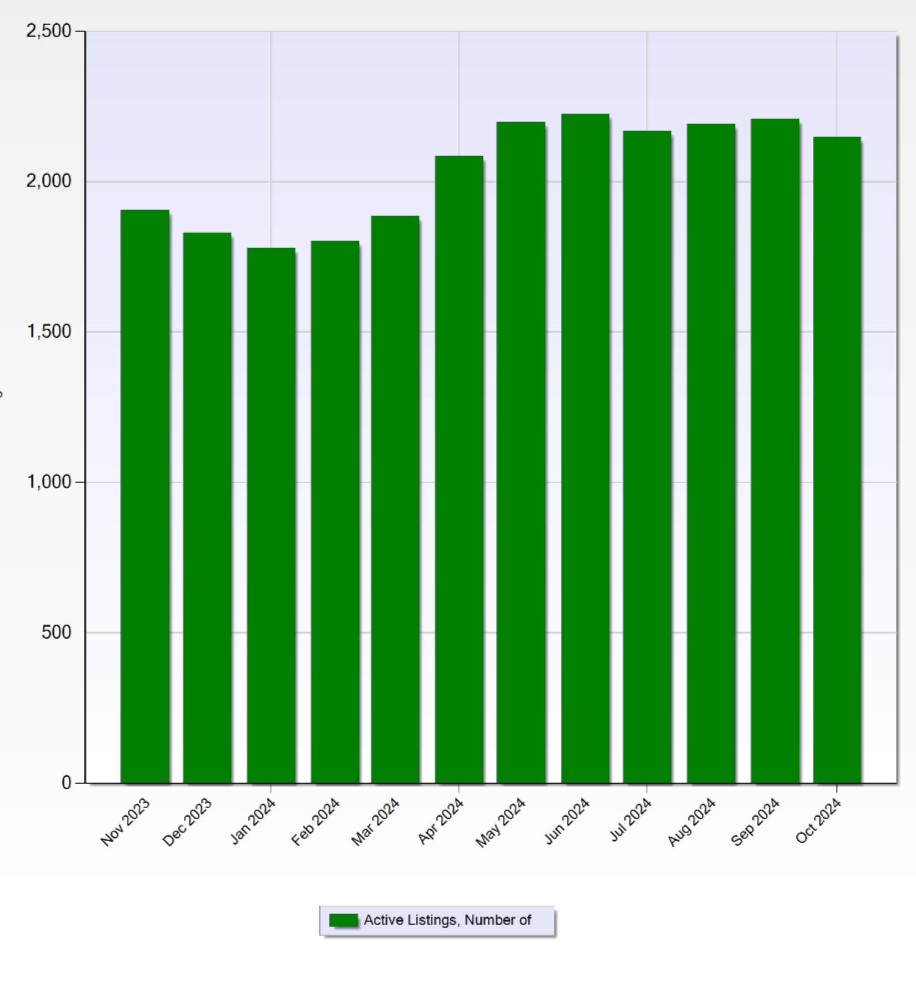
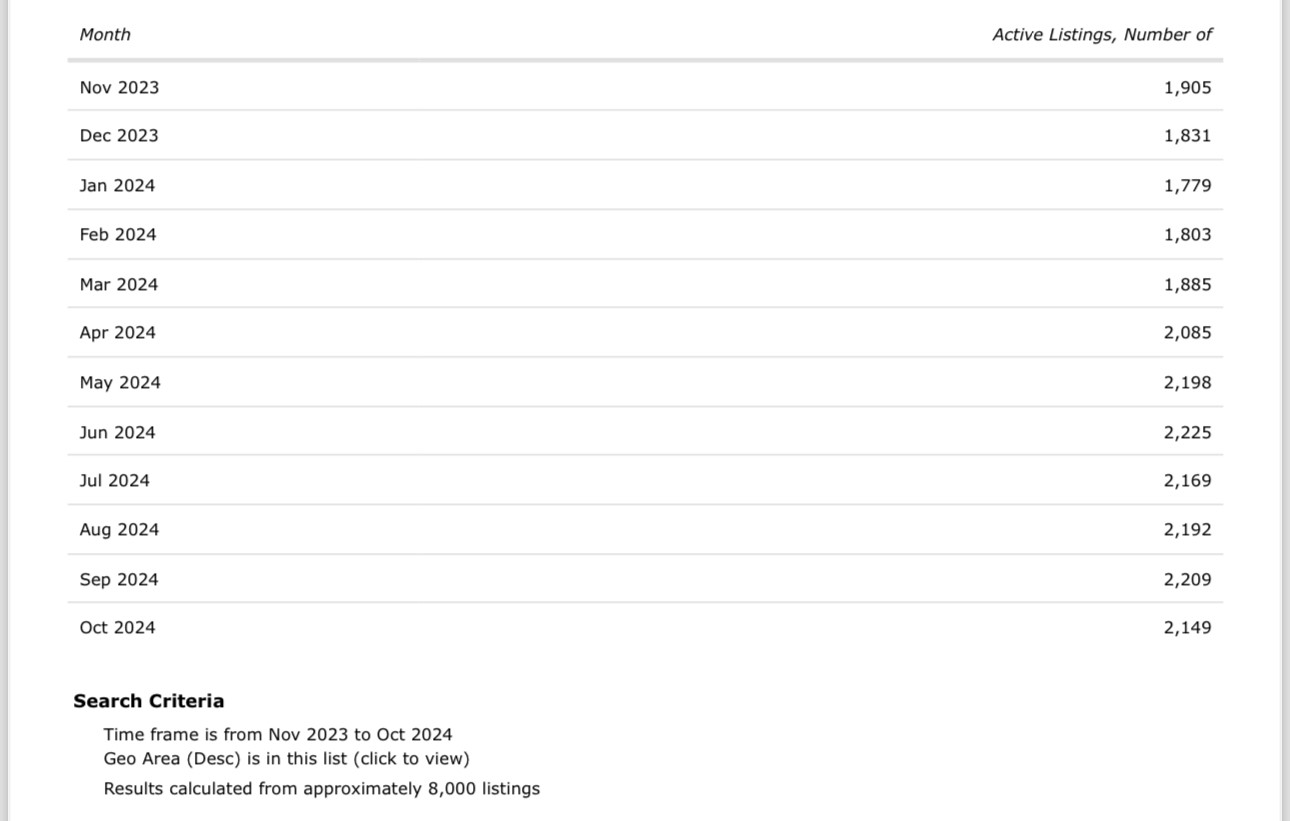
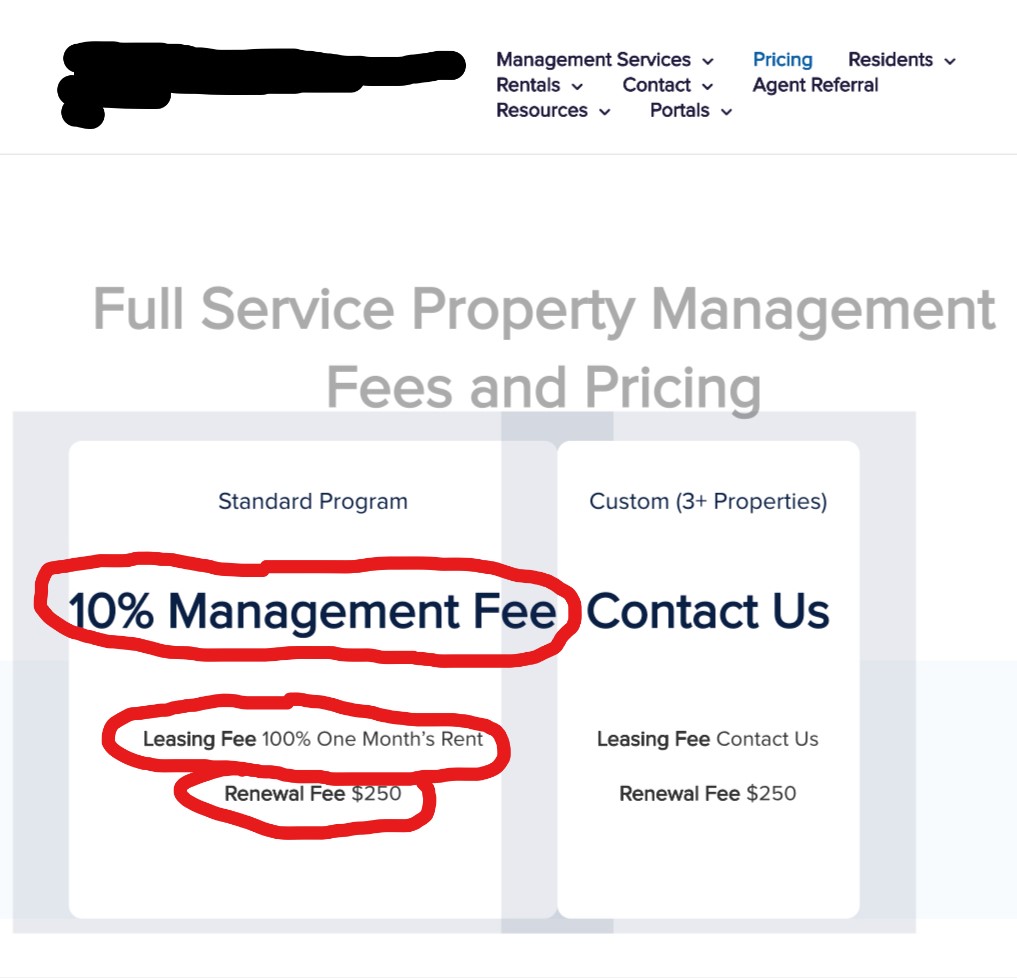 This is pricing from one of our competitors. They are a large property management company that is not only in Cape Coral and Ft Myers, but they are also throughout SWFL. Compared to our pricing they are way overpriced! They have a 10% management fee which is the same as ours. They have a leasing fee of one month's rent, we have a leasing fee of half a month's rent. They have a release fee of $250, we have a release fee of $60. This is a major competitor in the area that is taking advantage of owners. I guarantee that there are hidden charges throughout the property management agreement where the owner will continue to get taken advantage of. I've read over hundreds of property management agreements from different companies, and I have yet to find one that is as fair as ours. Show, why do people work with these types of companies? The answer is... marketing budget. These types of companies a lots of ad dollars to get your attention. Owners think because they show up on the top of Google that they are the best company but that's not the case. They spend the most money towards advertising and this is why their prices have to be higher. We do very little marketing and base hour growth on recommendations, word of mouth, and natural growth of our investors. When looking for a property management company I would highly advise skipping the top three of 4 because those are typically paid advertisements not the best company You should go down a little further and start doing your research from there.